
Where Rodents Get Into Houston Homes
Follow signs of mice and rats to likely entry points around Houston garages, kitchens, and rooflines. Learn what to document and when exclusion makes sense.
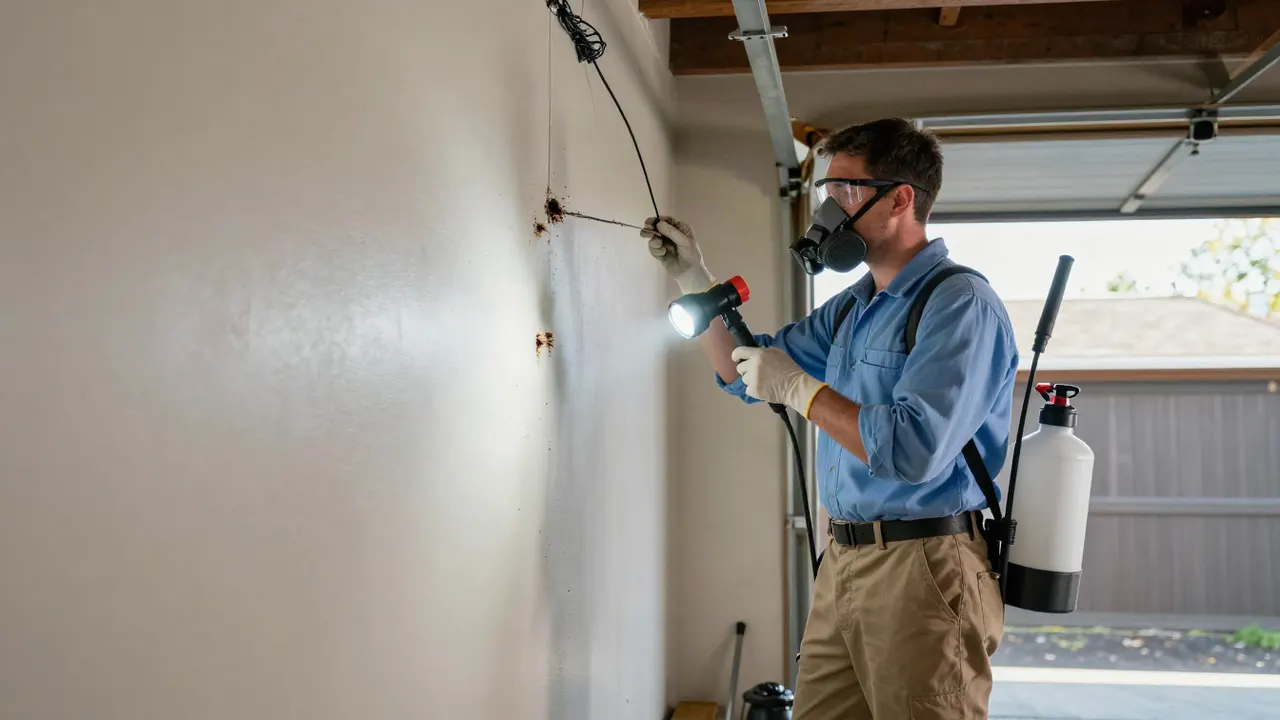
In a home with an alley-facing garage and a detached shed, check the food storage and door seals in both buildings before tracing activity to the house. For a raised house, note what is visible around the skirt and under the porch from ground level. For a slab home, compare the garage threshold with the plumbing openings near the kitchen.
Focus on what you can observe from a safe surface. Walk the accessible exterior, check doors and exposed pipe openings, and use ground-level photos for higher openings. Keep kids and pets away from suspected contamination while you arrange cleanup or an inspection.
Why finding the entry route takes more than one clue
Mice and rats can move along wall edges, between rooms through openings for services, and in places where you may only hear them. Use the closest visible evidence to choose where to look first.
- Food and gnaw damage. Note which container, bag, or door edge was damaged and whether another food source is nearby.
- Droppings. Record the surface and approximate extent without touching the material.
- Sounds. Write down the room, time, and direction of the sound so an inspector can compare it with the building layout.
What the Houston exterior can tell you
A garage facing a driveway may offer ground-level access through the door, while a home with mature trees beside the roof presents higher routes to review. Inspect the two levels separately. The University of Arizona roof rat guide describes why mature landscaping and nearby food can provide habitat for roof rats.
Walk around irrigation equipment, side yards, and bins if you can reach them safely. Note fruit under a tree, pet food in storage, or an opening near the water heater. For an apartment or townhouse, record where pipes or walls meet shared service areas.
Signs low in the building and near the roof
Evidence at different heights can guide an inspection. Consider where the signs appear before trying to name the species. A service visit can confirm routes that you can only see in part.
- At floor level. Check door corners, wall and floor joints, and exposed pipe openings nearest the evidence.
- Above the ceiling. Photograph the relevant roof edge or overhanging branches from the ground and note where you heard the sound indoors.
Six common entry points to check
- Garage door seal. Look at both bottom corners with the door closed and compare the seal with the surface it meets.
- Utility penetrations. Record visible space around cables, conduits, plumbing, or air-conditioning lines.
- Exterior doors. Check the sweep, threshold, and the lower corner where the frame meets the wall.
- Foundation vents. From a safe position, note any damaged screening or loose edge. Leave the ventilation opening functional.
- Roofline and fascia. Use a ground-level photo for a lifted edge or obvious opening and share which room it aligns with.
- Sheds and outdoor storage. Check whether stored feed, nesting materials, or a door gap could draw activity near the house.
What makes a route worth prioritizing
Start with the location where you’ve found multiple signs or where a confirmed opening leads near the evidence. An opening on the opposite side of the building may still matter, so keep it in the notes.
- Repeated evidence. Note where signs recur on different days.
- Nearby opening. Photograph where the opening is relative to signs on the inside.
- Food or plumbing close by. Identify what may keep activity in that area.
- Shared access. Ask who controls the other side of a wall, door, or utility space.
- Hazardous location. Flag electrical damage, attic contamination, or material near children or pets for a professional assessment.
What to include in your rodent activity log
- Room and time. Use the same location name each time you record a sighting or sound.
- Type of evidence. Distinguish droppings, sounds, gnaw marks, and an actual sighting.
- Outside feature. Record the closest door, vent, roof edge, or pipe.
- Photo. Take pictures from a safe distance and leave the material in place if you are waiting for an inspection.
- Property changes. Mention recent repairs, landscaping, or deliveries.
- Earlier work. Include any known trapping, sealing, or cleanup dates.
A practical rodent prevention plan
Put food away between uses
Use tight-fitting containers for dry goods and pet food. Collect fallen fruit and remove pet food left outdoors after feeding.
Plan exclusion with evidence in hand
Ask which openings should be repaired, how they will be closed, and how activity inside will be monitored. The CDC rodent exclusion guide lists interior and exterior locations to check.
Handle contamination separately
Keep people and pets away from the affected area. The CDC cleanup guidance advises against sweeping or vacuuming dry rodent droppings and provides steps for cleanup and heavy infestations.
Revisit the recorded locations
Compare later sightings or signs with your first photos and notes. Ask about the next check if you still see evidence close to an opening that has been repaired.
Common mistakes when checking for rodents
- Assuming the loudest room contains the entry. Use the sound as a starting point and look for nearby physical evidence.
- Checking only the roof or only the floor. Review both levels as far as you can safely see.
- Climbing to take a picture. Use a ground-level view or arrange for an inspection of the higher area.
- Sealing a functional vent. Ask how to restore a damaged screen and preserve the vent function.
- Ignoring access beyond your unit. Share concerns with the property manager if the route continues into a shared space.
When to request a rodent inspection
Arrange an inspection for recurring signs, activity in a ceiling or wall, or openings you cannot reach safely. If your main concern is rat activity above the ceiling during cooler weather, see the Houston Heights winter rat guide.
Frequently asked questions
What is the first place to check after finding droppings?
Start by recording the exact room and surface. From a safe area, note the closest food source, opening, or wall edge. Follow CDC guidance for cleaning rather than disturbing the droppings.
Do attic sounds prove I have rats?
Sounds can help narrow the location and timing. A provider can combine that information with physical evidence and access points to check for rodents or other causes.
Can rodents enter through the garage even with the door shut?
A worn seal can leave an opening at the floor or corner. Check the closed door from ground level and record whether the seal actually contacts the surface.
Should I close the first gap I see?
Record where it leads and whether it serves ventilation, drainage, or another purpose. If animals may be inside, ask how the provider will coordinate removal and exclusion.
How can I tell if the plan worked?
Ask how activity will be monitored and when the inspected routes or repairs will be checked again. Compare new observations with the original log.
Get help with rodent control in Houston
After downpours, check whether downspouts discharge beside the house, whether water is standing under patio doors, and whether the same doorway sees activity after it dries. Share the finding and check coverage for the relevant ZIP.
Read the Rodent Control service page. See the Houston Heights guide or send an inquiry.