
Why Ants Keep Returning to Houston Kitchens
Follow a recurring ant trail from the kitchen to its entry point. Learn what to check around food, plumbing, patio thresholds, and irrigation.
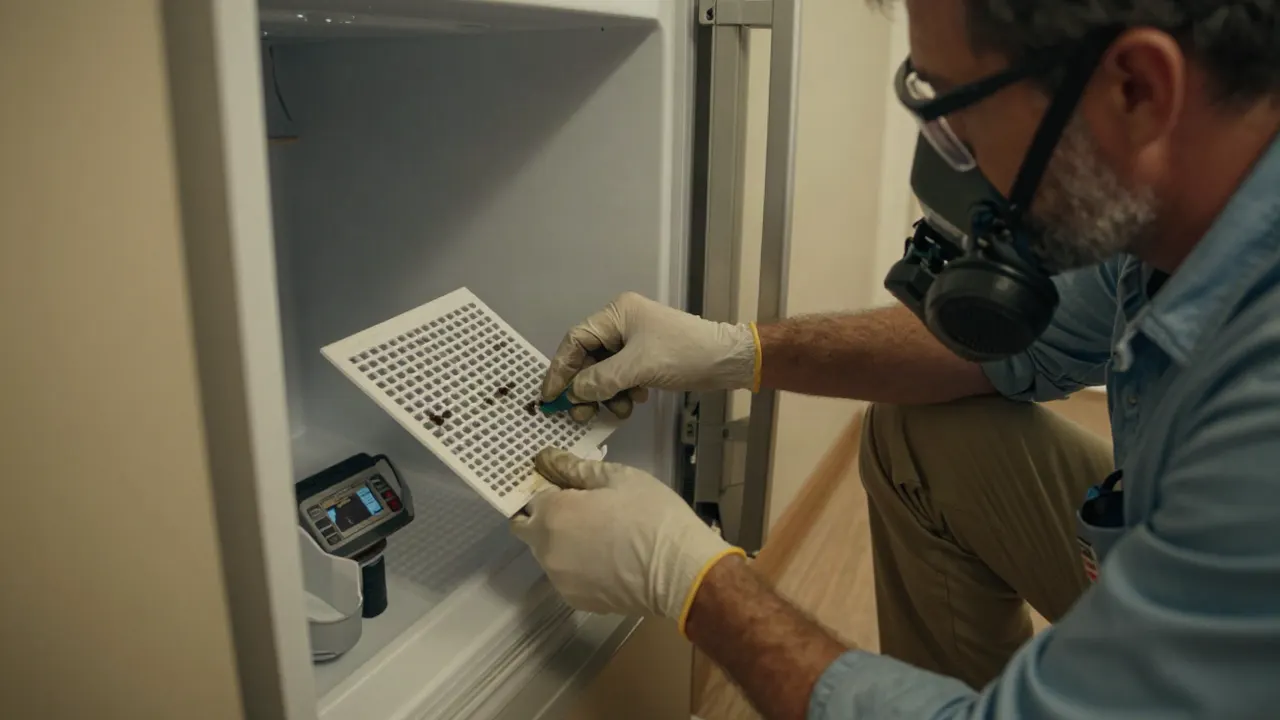
Trace kitchen trails to a door or pipe, then look for a downspout or wet planter along the same wall. Save the route before cleaning the trail. For a raised house, note what is visible around the skirt and under the porch from ground level. For a slab home, compare the garage threshold with the plumbing openings near the kitchen.
Before you wipe away the line, look both ways. Write down where it disappears and what it appears to reach. A photo of the full route is often more useful than an isolated close-up.
Why a trail can return after cleanup
The UC IPM ant guide recommends inspecting regularly for ants and their entry points. Clearing a work surface can reduce food or remove visible ants, while an active route may still connect the building to resources elsewhere.
Look for these three parts of the problem:
- A point of entry. Check where the line crosses a door or enters a narrow gap.
- Something the insects are reaching. It might be food, moisture, or shelter beside the surface you noticed.
- A connected outside area. Compare the wall with a patio, planter, hose bib, or block-wall edge.
If you cannot see the entire route, record the last place the ants are visible. That physical reference is more useful than a guess about where the nest lies.
What varies between Houston kitchens and patios
A kitchen sink on an outside wall may sit close to irrigated soil or a hose bib. A kitchen opening onto a patio may instead connect to a paver edge or the base of a door. Look on both sides of the same wall.
Attached housing adds other routes. A worker line beside an accessible pipe may connect to a shared space that you cannot inspect yourself. Record what you can see and ask building management who handles repairs.
Timing matters. If irrigation or household use changes, compare the activity before and after in the same place over several days. This helps you separate a persistent route from a brief event.
See Houston service locations for area information. Your observation log should name the actual surfaces and openings involved.
Outdoor ant traffic and indoor ant trails
A busy exterior trail and recurring ants at a food surface suggest different priorities. Find where each line goes before assuming one causes the other.
Use these two comparisons during the inspection:
- Outdoor trail along a wall or pavers. Look for whether the line stays at the exterior edge or enters at a threshold. Outdoor activity may have little connection to a kitchen observation.
- Indoor trail reaching food or water. Follow it to the end of the visible route and check for nearby residue, equipment, spills, or moisture.
If the lines connect, you have a specific place to investigate. If their connection is uncertain, label your photos separately so you can check each route later.
Six entry points and routes to check
Start where the trail crosses from one material to another. That can make a tight route easier to see.
- Patio threshold corners. Look where the track, wall, and door meet. Check both the shaded and exposed edges.
- Pipe openings beneath a sink. Note visible gaps and damp material. Avoid altering plumbing without the appropriate repair.
- The edge behind an appliance. Use a light and photograph what can be seen safely from the front.
- The junction of a countertop and wall. Check whether the line follows a narrow seam and disappears behind a fixture.
- Cabinet bases and toe kicks. Look along the floor where a tight route can continue behind trim.
- Irrigation and planters beside the wall. Compare the damp soil or planter edge with the nearest indoor entry.
A worn seal, lip, or corner that looks small from above may be clearer from floor height. Record the route before repairing it so that you have a reference for the next observation.
What can keep ants coming to the same room
The trail points to an opportunity somewhere nearby. Work through common food and moisture sources with specific observations.
- Spills below a dispenser. Check the edge below bottles and the shelf beneath them.
- Pet food and water bowls. Pick up spilled food and look at where the line approaches the bowls.
- Recycling or waste containers. Inspect their underside and the floor edge immediately behind them.
- A slow cabinet leak. Dry the material and see whether it becomes damp again.
- Plants or moisture touching the outside wall. Compare the nearest sheltered exterior area with a recurring indoor boundary.
If you can identify the route but activity keeps returning, Ant Control in Houston explains which details to share before an inspection.
What to record when a trail shows up again
A one-minute log can be more useful than relying on memory. Add each appearance to the same list and use consistent labels for nearby doors and cabinets.
These six details help compare observations:
- Location. Write down the exact edge, cabinet, or threshold.
- Direction. Note where the ants appear to be going and coming from.
- Time. Record the hour and any household activity nearby.
- Moisture. Note a leak, watering, or a recently wet surface.
- Food source. Record what was present where the line ended.
- Prior measures. Mention any product or repair used in that location.
If the line moved after you cleaned it, keep the first note. Record the second route as a separate observation rather than overwriting the location.
Steps that can help prevent recurring kitchen trails
Choose a few changes that you can check again. A good plan includes the entrance, what the ants reach, and a follow-up observation.
Find and record the entry
Photograph where the line enters and its nearest visible opening. Note intentional ventilation or equipment gaps before considering any repair.
Contain food and clean hidden edges
Store dry food in closed containers and check under small equipment and pet-feeding areas for residue.
Fix the moisture that returns
Check for a leak after drying a cabinet and observe irrigation around the exterior. Report problems in a shared building so someone can inspect the source.
Follow up at the same location
Repeat the observation near the same time of day. Record where the trail starts if it returns and whether you can see a new opening.
When several pests are present, use the General Pest Control page to understand which conditions deserve separate attention.
Common mistakes when an ant trail keeps coming back
One fast action can make a trail harder to trace. Take a brief record first, then choose a change you can evaluate.
These are the common shortcuts to watch for:
- Wiping the trail before photographing it. Capture the whole span so the entry line stays visible in your notes.
- Assuming ants start wherever you can see the most. Follow both endpoints rather than focusing on the busy middle.
- Treating every exterior ant. Check whether it reaches an occupied area or stays outdoors.
- Ignoring a food source out of sight. An appliance edge or pet-food bag can supply what the visible counter does not.
- Adding several products together. A professional needs to know what has already been used and where.
When an ant inspection can help
Request an inspection if the trail keeps changing, appears beside shared plumbing, or returns after food and moisture changes. Attach a photo that shows the entry and nearby landmarks.
See Ant Control for what an inspection can cover, then send your notes and ZIP code via the contact form.
Frequently asked questions
Why do ants keep coming back after I clean?
The visible ants may have an established route or another source of food or moisture. Record the route before wiping, then inspect its nearest opening and likely destination.
Does outdoor ant activity always need treatment?
An outdoor line can be normal. Focus your inspection on trails crossing into occupied rooms or creating an issue near a doorway, food area, or other frequently used space.
Can a leaking pipe attract ants?
Moisture can contribute to activity for some ants. Check for a drip or damp materials and compare that location with the actual trail rather than assuming the leak is the only cause.
What information helps get an accurate quote?
List where trails cross the wall or doors, the affected rooms, any water source, and what products you have used. Photos of the route help with planning.
When should I check a trail that appears only briefly?
Look during the period when it normally appears and compare whether a door was open, pet food was served, or nearby irrigation ran. Record the location before cleaning it.
Get help with ant control in Houston
After downpours, check whether downspouts discharge beside the house, whether water is standing under patio doors, and whether the same doorway sees activity after it dries. Share the finding and check coverage for the relevant ZIP.
Read the Ant Control service page. See the Houston Heights guide or send an inquiry.