
Tracing Winter Ant Trails to Moisture in Houston Kitchens
Follow recurring Houston kitchen ant trails with a before-and-after leak check. Identify the nearest door, cabinet, or pipe entry.
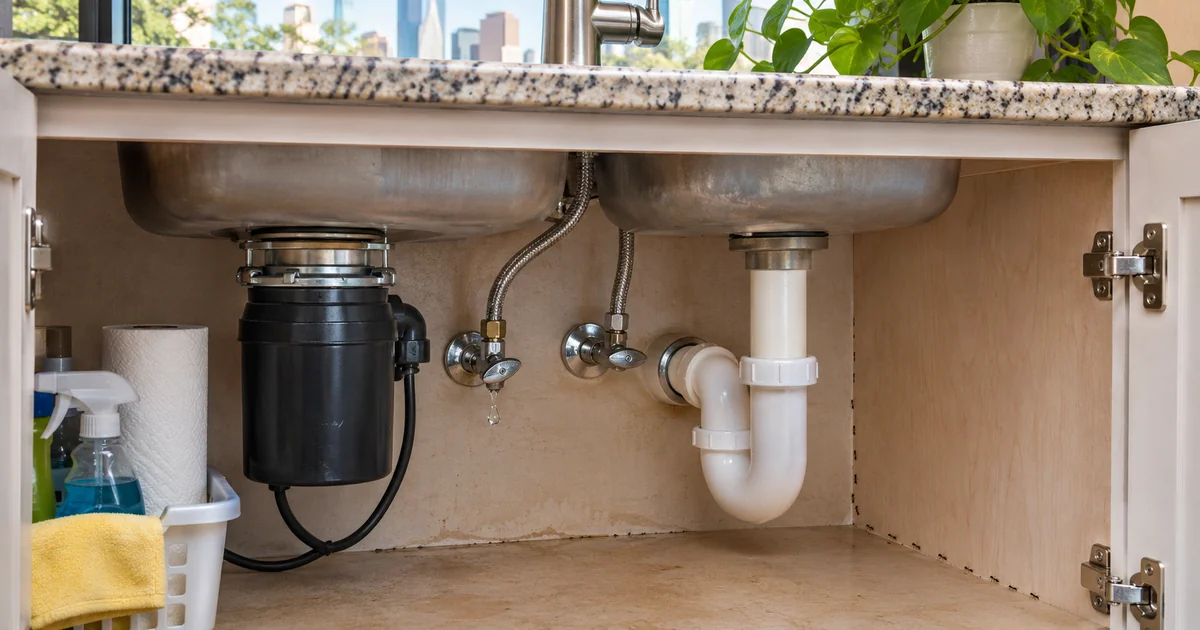
When ants return after you wipe the counter, watch where the next trail starts. A warm kitchen with a damp cabinet or spilled food can keep attracting activity during cooler weather. In Houston, keep the trail indoors separate from observations made near a wet door after a storm.
If the kitchen backs up to a patio, note whether the trail crosses the exterior threshold or disappears next to a sink pipe. For a unit with shared plumbing, tell management which cabinet and pipe are involved and whether the trail is confined to your unit.
What winter changes around kitchen ant trails and moisture
A trail that appears every time the sink or dishwasher runs can point to a different question from ants that travel across the same dry counter toward food. Log the times of kitchen use and sightings independently until a pattern repeats.
- Sink shutoff valves Start with a view that shows the surrounding area. Check whether this is close to where the signs first appeared.
- Counter seam Write down whether the condition is present every time you look or shows up after a regular activity.
- Pantry containers Note any changes since the last time you used this part of the property.
Where to start in Houston
Start at the part of the trail you can observe without moving plumbing or an appliance. Follow it backward and mark where your view ends, then check for water or food near that point. The missing section may need professional or building access.
Check from an accessible position without moving electrical appliances, pulling on pipes, or disturbing a hidden nest. Take a clear photo if you can do so safely.
Two patterns worth recording separately
Use a short note for each location. Include the physical feature closest to the evidence so someone can identify the same spot later. Record the exact place, time, and number of sightings. A repeat pattern provides better context for identification than a general room description.
- An isolated observation. Write down what happened before it appeared, including changes to weather, storage, or access. Keep the original date if you recheck later.
- Evidence in the same spot on different days. Return to the same accessible location, take a comparable photo, and record what changed. Use the pattern to decide what to ask an inspector.
Six places to check for kitchen ant trails and moisture
- Sink shutoff valves Look for visible moisture with a flashlight. Recheck the cabinet after normal sink use and write down any repeat drip.
- Counter seam Note where ants change direction or move into a crevice. Photograph the route before wiping the visible trail.
- Pantry containers Look for open packaging or residues at the point where the trail ends. Separately record whether it returns after storage is corrected.
- Dishwasher edge Record sightings on accessible sides and the time relative to normal use. Leave panels and electrical connections in place.
- Exterior threshold Compare sightings during wet weather with the same threshold when dry. Use separate entries for outside and inside activity.
- Shared pipe chase Mark the exact cabinet and unit. Ask building management who can check the area outside your space.
How to make the evidence easy to review
If you send photos, take one wide view that establishes the location and one close view that shows the evidence. A short description of surrounding surfaces can help the provider tell which area the photo represents.
- Dishwasher edge in context Include the nearest fixed point in the picture so the location can be found again.
- Exterior threshold and access Tell the provider which side you could see and which part needs another way in.
- Shared pipe chase on a later check Record any change between the first note and the next observation.
What to put in your winter inspection notes
- Exact location. Include a room or outside wall and the nearest door, cabinet, pipe, or other fixed point.
- First sighting. Write the date and approximate time and describe what you saw directly.
- Recent change. Record relevant changes in weather, repairs, deliveries, access, or use of the space.
- Inspection limits. Flag any area that requires a key, a manager, specialized equipment, or access you cannot safely arrange.
- Previous work. Save the dates and scope of relevant repairs, monitoring, or treatment.
A winter prevention plan
Document the full visible trail
Take a broad photo around the turning point and use a second close view if useful. Wait to label the species until you have evidence.
Check the cabinet while it is used normally
A recurring drip can be easier to identify with a before-and-after photo series. Arrange plumbing repair if moisture continues.
Make food sources easy to verify
Keep pantry items closed and clean residues after documenting the route. Recheck the same compartment to see whether the trail shifts.
Keep management and repair notes together
Write who controls the shared space and what each repair addressed. Share the remaining locations if activity continues after a fix.
Mistakes that make winter signs harder to trace
- Changing several things at once. Keep track of each repair or cleaning step and the date it happened so you can compare later observations.
- Checking only at the first sighting. Repeat the check after the relevant weather or activity has changed. A second look helps show whether the condition persists.
- Losing useful context. Keep a record before cleaning or moving objects. Dated observations make it easier to compare the same location under similar conditions later.
- Assuming adjacent rooms have the same issue. Write separate notes until you have a reason to connect them, such as a shared opening or a visible trail.
When a home inspection makes sense
An inspection can help when signs repeat, the route is unclear, or the area requires access you cannot safely arrange. Share your notes and ask what the provider can inspect, what will be documented, and when follow-up is appropriate.
For identification and prevention details, see the University of California IPM ant guide.
Frequently asked questions
Could the ants be following water?
Yes. Record where both moisture and ants appear and whether they coincide after ordinary use. Food and a route into the room are also worth checking.
Should I send a photo before wiping the counter?
Capture the route first if you can do so safely. A wide view showing the nearest wall or cabinet gives the location context.
What if the trail stops at a pipe opening?
Mention the location and whether the pipe enters a wall shared with another unit. Ask who can check behind the accessible boundary.
What if the evidence is on the other side of a shared wall?
Document the part within your own space. Ask the owner or manager how to arrange access before work is requested outside the unit.
What should a written service proposal cover?
Ask for the identified issue, the locations to be inspected or treated, what to prepare, and any expected follow-up.
Get help with ant control in Houston
Share the date of the winter observation and whether it changed after normal use. Include the finding and check coverage for the relevant ZIP.
Read the Ant Control service page. See the Houston Heights guide or send an inquiry.