
Where Winter Rodent Signs Show Up Around Raised Houston Homes
Compare porch edges, skirting, plumbing, and floor-level signs around raised Houston homes. Prepare a safe rodent inspection request.
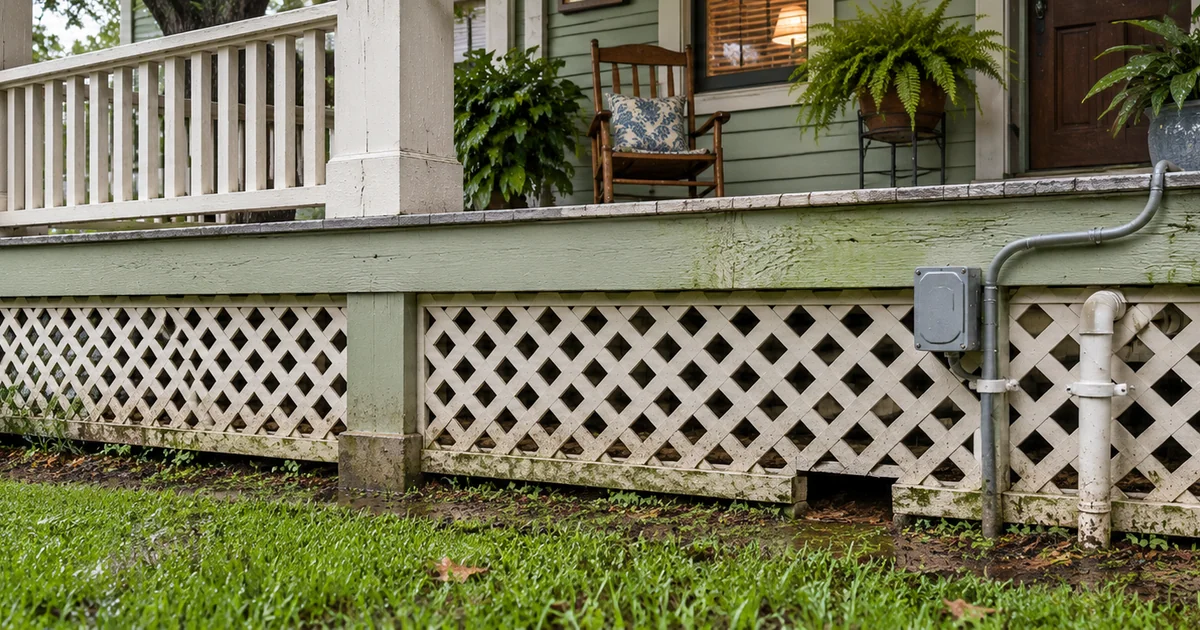
When a sound seems to come from below a floorboard, write down the room and time before moving boxes or lifting flooring. A raised Houston house can have multiple routes beneath the floor. Evidence near a pipe deserves a separate note from chewing near a pantry or shed.
For a home with a raised porch or later addition in Houston Heights, walk the accessible exterior and mark the point closest to each sound or visible sign. Retain any notes about areas that stay wet after rain or that can only be reached through a locked lower access panel.
What winter changes around rodent routes below the floor
Changes in food storage or use of winter porch space can make activity easier to notice. Check whether the same room is affected after a wet period, after a delivery, or after something has been moved to storage. Compare the observations with visible access points.
- Skirting near the nearest room Start with a view that shows the surrounding area. Check whether this is close to where the signs first appeared.
- Service pipes below the floor Write down whether the condition is present every time you look or shows up after a regular activity.
- Porch door and stair landing Note any changes since the last time you used this part of the property.
Where to start in Houston
Stay outside the enclosed space while you inspect any skirting, screen, or low utility opening visible from the ground. Record which floor and room sit above it. Work with a provider to arrange safe access for areas you cannot see.
Keep children and pets away from suspected contamination. The CDC rodent cleanup guide explains why dry droppings and nests should never be swept or vacuumed.
Two patterns worth recording separately
Use a short note for each location. Include the physical feature closest to the evidence so someone can identify the same spot later. Keep an indoor record and an outdoor record. Dates, relative positions, and a second physical sign can help connect them during inspection.
- An isolated observation. Write down what happened before it appeared, including changes to weather, storage, or access. Keep the original date if you recheck later.
- Evidence in the same spot on different days. Return to the same accessible location, take a comparable photo, and record what changed. Use the pattern to decide what to ask an inspector.
Six places to check for rodent routes below the floor
- Skirting near the nearest room Note gaps or damaged screening from outside. Include the porch or doorway in a wide photo so the location is easy to find.
- Service pipes below the floor Check visible joints around plumbing or utility lines. Leave pipe, cable, and vent openings for an appropriate repair assessment.
- Porch door and stair landing Record damaged trim, gaps, and where the door sits in relation to signs. Look from a stable, well-lit surface.
- Pantry floor edge Flag damaged packaging and shelves near the wall. Keep people and pets out of areas with suspected droppings.
- Detached storage Record whether boxes or food containers moved between buildings. Compare exterior openings without disturbing potential nesting material.
- Indoor sound location Write the time and room and mark low versus high sound. Explain any relevant access limit on the other side of the wall or floor.
How to make the evidence easy to review
If you send photos, take one wide view that establishes the location and one close view that shows the evidence. A short description of surrounding surfaces can help the provider tell which area the photo represents.
- Pantry floor edge in context Include the nearest fixed point in the picture so the location can be found again.
- Detached storage and access Tell the provider which side you could see and which part needs another way in.
- Indoor sound location on a later check Record any change between the first note and the next observation.
What to put in your winter inspection notes
- Exact location. Include a room or outside wall and the nearest door, cabinet, pipe, or other fixed point.
- First sighting. Write the date and approximate time and describe what you saw directly.
- Recent change. Record relevant changes in weather, repairs, deliveries, access, or use of the space.
- Inspection limits. Flag any area that requires a key, a manager, specialized equipment, or access you cannot safely arrange.
- Previous work. Save the dates and scope of relevant repairs, monitoring, or treatment.
A winter prevention plan
Make the outside map useful
Mark the lowest accessible doorway, pipe, and edge of the porch. Use the same names in indoor notes so the features can be compared.
Protect food and pet supplies
Move intact, uncontaminated items into containers with tight-fitting lids. Ask about handling damaged or soiled items separately.
Arrange access before closing openings
Share the location of any skirting gaps with a provider. Ask how they will coordinate monitoring, removal, and repair while keeping ventilation functional.
Review follow-up after ordinary use
After a plan is carried out, compare the original sound, room, and time with new observations. Report any change by location.
Mistakes that make winter signs harder to trace
- Changing several things at once. Keep track of each repair or cleaning step and the date it happened so you can compare later observations.
- Checking only at the first sighting. Repeat the check after the relevant weather or activity has changed. A second look helps show whether the condition persists.
- Losing useful context. Plan exclusion around removal and follow-up. If animals may be inside, ask a provider how closing a gap might change where they move.
- Assuming adjacent rooms have the same issue. Write separate notes until you have a reason to connect them, such as a shared opening or a visible trail.
When a home inspection makes sense
An inspection can help when signs repeat, the route is unclear, or the area requires access you cannot safely arrange. Share your notes and ask what the provider can inspect, what will be documented, and when follow-up is appropriate.
For identification and prevention details, see the CDC rodent exclusion guidance.
Frequently asked questions
Do I need to enter beneath the house to look for rodents?
Ground-level photos and indoor observations are enough to start. Arrange professional access for enclosed or contaminated areas.
Can mice and rats leave signs in the same area?
Several rodents can enter homes. Give the provider photos and locations so identification can be based on the available evidence.
Should I replace a damaged crawlspace screen immediately?
Record the opening and ask how to coordinate repair with removal if animals may still be inside. Keep the vent functional.
What if the evidence is on the other side of a shared wall?
Document the part within your own space. Ask the owner or manager how to arrange access before work is requested outside the unit.
What should a written service proposal cover?
Ask for the identified issue, the locations to be inspected or treated, what to prepare, and any expected follow-up.
Get help with rodent control in Houston
Share the date of the winter observation and whether it changed after normal use. Include the finding and check coverage for the relevant ZIP.
Read the Rodent Control service page. See the Houston Heights guide or send an inquiry.