
A Termite Inspection Checklist for Houston Home Buyers
Learn which areas to make accessible, how to read the findings and limitations, and what to ask about a Houston termite inspection report before closing.
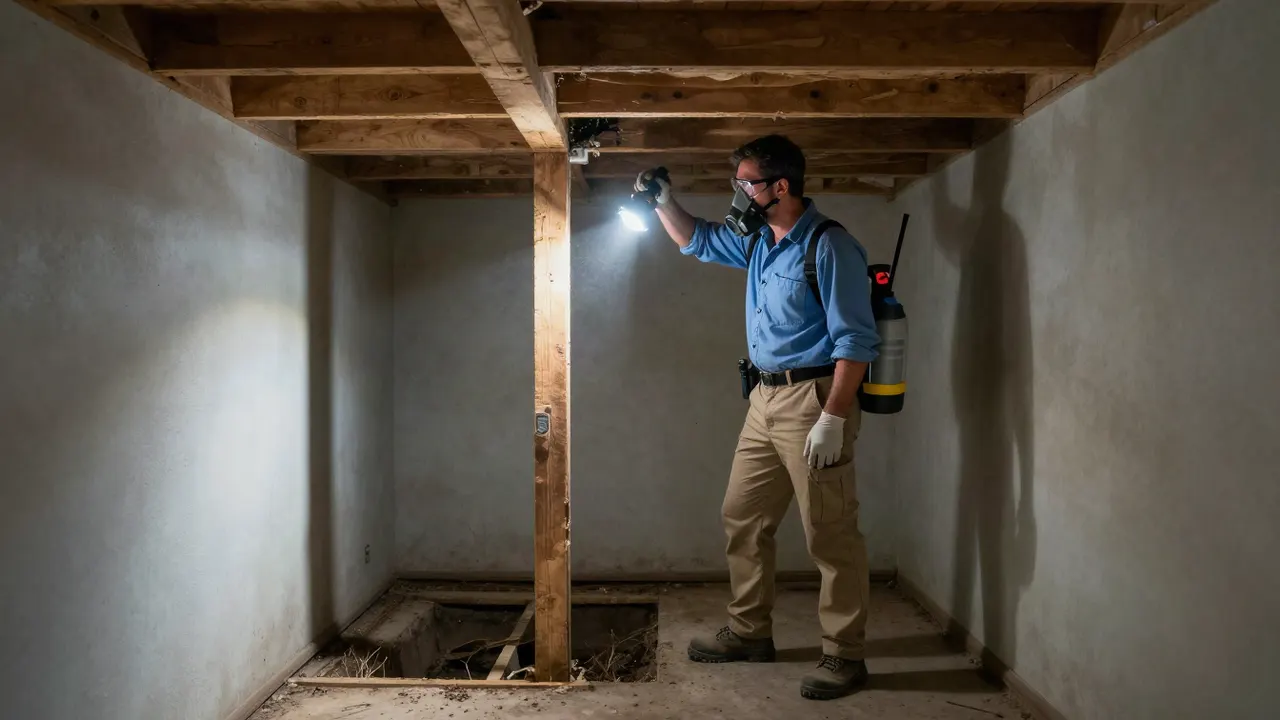
For a house with a raised floor or a garage conversion, ask which portions of the original perimeter and addition are visible before booking. For a raised house, note what is visible around the skirt and under the porch from ground level. For a slab home, compare the garage threshold with the plumbing openings near the kitchen.
This checklist walks through preparation, the property areas to discuss, and the details to read before you make a decision. Start with the address and structures the inspection will cover, then check the type of report with your lender or agent.
What a termite inspection can document
A visual inspection looks for observable evidence of wood-destroying insects and conditions that deserve attention. The exact areas depend on the property and what can be reached. A slab-edge photograph, a note about inaccessible trim, and a record of previous treatment each describe different parts of the property history.
- Visible evidence. Ask where the inspector found signs such as tubes, damaged wood, or other evidence and whether they consider it current or historical.
- Conditions around the building. Note drainage, leaks, wood in contact with soil, or covered wall edges the inspector calls out.
- Access limits. Read the list of blocked, concealed, or inaccessible areas so you know what the findings cover.
How the building affects access in Houston
A single-story slab home may have low wall edges covered by gravel, plants, or a patio addition. The edges can be easier to inspect in the garage than along the finished living area. Show the inspector any additions or exterior sections you can reach without moving fixtures.
An older home might also have a raised floor or a small attic hatch. Ask the inspector about safe access and who will make the opening available. An area you can point to on a floor plan may still be too low, obstructed, or unsafe to enter.
A routine check and a real-estate report
A homeowner who spots a tube may request an inspection for that specific concern. A buyer may also need written documentation. Confirm the required report and timing with your agent or lender and ask the provider which areas and findings the report covers.
- Checking a specific finding. Share a photo and a location, then confirm whether the visit includes the accessible surrounding areas.
- Arranging a transaction inspection. Confirm the report type, included structures, documentation, and deadline with the parties handling the sale.
Six things to confirm before the appointment
- Correct address and unit. Include the unit number, access contact, and any gate instructions the owner has approved.
- Included structures. Ask whether a detached garage, shed, or addition is included and how it will be described in the report.
- Areas that need to open. Coordinate access to the garage, utility rooms, and any attic or crawlspace hatch before the inspector arrives.
- Prior records. Collect available inspection dates, diagrams, treatment invoices, and transferable coverage terms.
- Known observations. Share dated photos and locations for suspected tubes, damaged trim, or recent leaks.
- Delivery deadline. Check who will receive the report and leave time to ask questions about findings or access.
What to look for when you read the report
Read each finding together with its location and access notes. A short phone call about the language in the report can help you distinguish a visible symptom from the work a provider proposes.
- Property details. Make sure the address, included structures, and inspection date match what you requested.
- Evidence locations. Use the diagram or notes to locate the affected wall, room, or outside area.
- Access limits. Ask which of the listed limits matter most to the finding you are trying to understand.
- History and conditions. Separate prior treatment information from current observations and moisture or drainage concerns.
- Follow-up. Write down who will answer remaining questions, provide a proposal, or arrange access.
What to keep in your property records
- Inspection report. Keep the dated report with its diagram and any photos.
- Scope. Save the list of structures and rooms the inspector could access.
- Prior work. Retain service dates and treatment diagrams you receive from the owner.
- Access notes. Keep a record of areas you plan to open or revisit later.
- Repair notes. Record when an identified leak or wall condition was corrected.
- Follow-up dates. Save any separate observation, estimate, or reinspection paperwork.
A practical plan after the inspection
Ask about findings you cannot locate
Have the inspector point out the area on a diagram or in a photo. Clarify where the inspection stopped if an obstruction prevented a clear view.
Arrange access if the finding warrants it
Ask the owner or manager to coordinate access to a locked or obstructed area. For any proposed removal of finishes, verify permission and which professional should perform the work.
Request a written treatment scope when appropriate
Use the finding location and inspection date when requesting a proposal. The guide to termite mud tubes explains what to ask about coverage and follow-up.
Track repairs separately from findings
Keep the original evidence record, then add when a leak was repaired, access was improved, or damaged material was assessed. It is easier to interpret a later report when the dates are clear.
Common mistakes when arranging a termite inspection
- Assuming every structure is included. Confirm garages and outbuildings before the appointment.
- Arranging access at the last minute. Coordinate keys, gate codes, and access contacts with the property owner.
- Overlooking limitations. Check which areas were blocked, concealed, or unsafe to enter.
- Losing prior paperwork. Keep dated treatment details nearby so you can compare scopes and dates.
- Waiting until closing to read the report. Leave enough time to clarify findings or arrange an additional visit.
When to request an inspection
Request an inspection when a transaction calls for a report or when you see suspicious tubes, wings, or wood damage. If you are arranging one for a purchase, share the deadline and report requirements before booking and identify any known access limits.
Frequently asked questions
What is a termite inspection report cover?
A written inspection report can describe observable evidence, conditions around the property, and access limitations. Confirm the exact report required before booking.
Can the inspector see behind drywall or tile?
A visual inspection covers visible and accessible areas. Ask which concealed or obstructed areas are listed as limits and whether any of them need a follow-up visit.
Does previous treatment mean there are active termites?
The treatment record explains what was done at an earlier date. Use the current findings to understand what was visible at this inspection and ask whether there is evidence of current activity.
Who moves stored items or opens locked spaces?
Coordinate with the owner, listing agent, and inspector before the visit. Agree on safe access and permissions, including who can open a hatch, garage, or detached structure.
Can a termite report tell me how much repairs will cost?
Ask the inspector to identify and explain the observed evidence. For the extent and cost of repairs, ask an appropriate building professional to look at the affected materials.
Get help with termite inspections in Houston
After downpours, check whether downspouts discharge beside the house, whether water is standing under patio doors, and whether the same doorway sees activity after it dries. Share the finding and check coverage for the relevant ZIP.
Read the Termite Inspections service page. See the Houston Heights guide or send an inquiry.