
What to Do About Termite Mud Tubes at a Houston Home
Learn what mud tubes near a slab or garage can tell you, which clues to document, and how to compare a termite treatment proposal after an inspection.
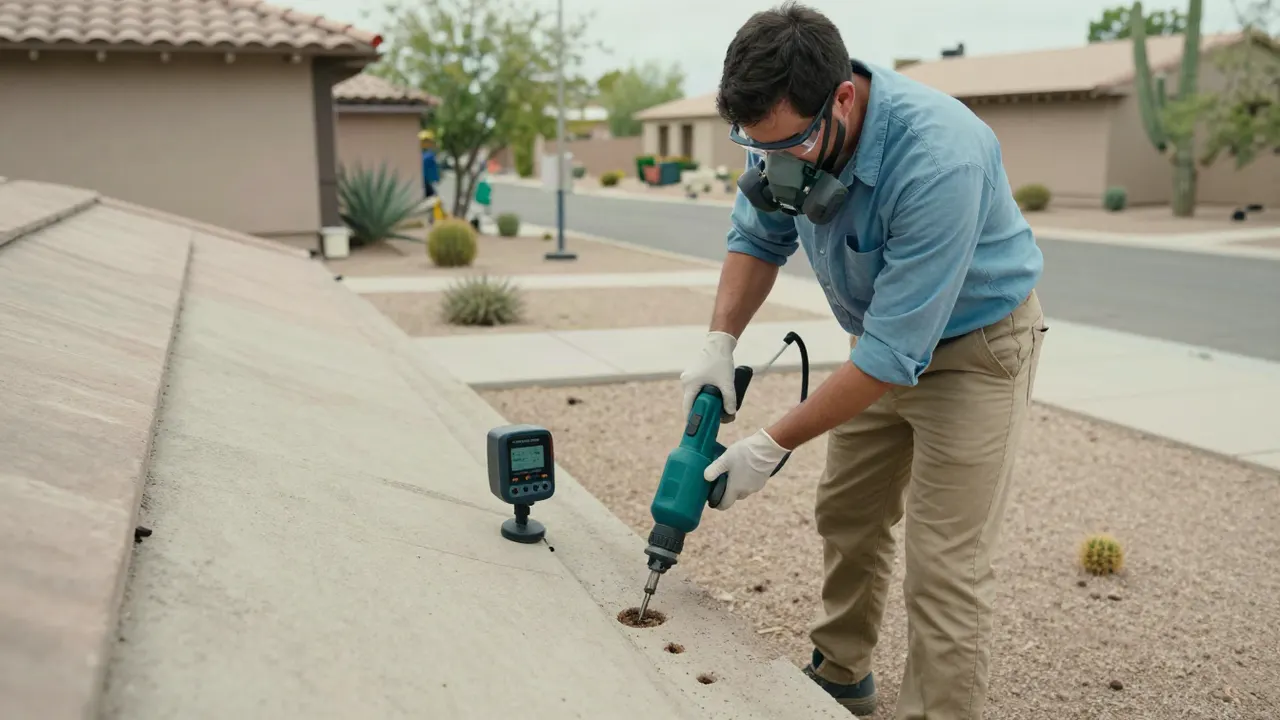
Compare a damp slab edge with the wood and trim directly above it. Houston rain can leave a mark that resembles a tube from a distance. For a raised house, note what is visible around the skirt and under the porch from ground level. For a slab home, compare the garage threshold with the plumbing openings near the kitchen.
In Houston, a tube can appear at the outside slab edge, in the garage, or near a wall where irrigation or a pipe keeps the soil damp. This guide covers the visible clues to capture, what they can tell you, and what to ask after the inspection.
Why subterranean termites build mud tubes
Subterranean termites use shelter tubes to travel between soil and places they are feeding. A tube along a slab edge or wall can mark one accessible part of a route. The EPA termite guide explains why most activity stays concealed in soil, tubes, or the material the insects are feeding on.
- Across exposed masonry. An earthen tube can bridge the space from the ground toward wood or a wall gap.
- Beside a penetration. The area where a pipe or conduit passes through the slab or wall is a specific location to record.
- Along a concealed edge. A tube disappearing behind trim or stored items gives the inspector a direction to check from an accessible area.
How Houston slab and yard conditions affect the inspection
A slab edge can be easy to see along the driveway and buried behind pavers or planters on the other side. Walk the accessible perimeter and note changes in grade, a patio addition, or a section hidden by landscaping. Those limits matter when you compare inspection findings and treatment coverage.
Look at where water reaches the foundation during irrigation. A nearby planter, a dripping hose bib, or an AC drain can keep a small area wet while the rest of the perimeter looks dry. Make a note even if it has dried since the last watering cycle.
A tube, old damage, and current activity
Location and condition help an inspector decide where to look. It may take evidence from several places to tell whether a route is active now, whether the damage is older, or whether a stain came from another source.
- Raised earthen passage. Keep it intact and photograph where it starts and where it disappears.
- Staining or a soft surface. Record any leak and nearby wood changes. Moisture and other damage can look similar from the outside.
Six places to photograph for a termite inspection
- Exterior slab edge. Show the wall, ground, and the tube in one frame before taking a close-up.
- Garage expansion or wall joint. Identify which corner or door is closest so the location can be found quickly.
- Pipe or conduit opening. Capture the opening and nearby marks without removing trim or materials.
- Porch posts and door frames. Record whether the wood touches soil, paving, or a persistently damp surface.
- Planter or sprinkler near the wall. Take a wider image showing how the wet spot relates to the suspected tube.
- Any previous treatment markings. Keep service papers or labels with the property address, dates, and treated areas.
What to compare in a treatment proposal
Once a provider has inspected the property, ask them to locate the evidence and explain how their proposed plan addresses the building. Two estimates that cover different sections of the property are difficult to compare by price alone.
- Evidence and affected areas. Ask the provider to show where they found activity and where the route was concealed.
- Method and access. Ask which walls or soil areas the proposed method will cover and whether any entry, storage, or paving affects access.
- Preparation. Confirm what you should move and how long treated areas need to stay clear.
- Follow-up. Ask about inspection intervals and whether monitoring or additional work is included.
- Written scope. Keep the proposal, limitations, and any warranty terms together.
What to record before anyone treats the area
- Date found. Record when you first noticed it and any changes since.
- Location. Write which wall, room, and nearest door or window.
- Size. Take an image with an easily recognized reference nearby.
- Related changes. Mention recent landscaping, leaks, or construction.
- Past treatment. Save any invoice or treatment diagram for comparison.
- Access limits. Record any wall or edge you could only see in part.
A prevention plan around the foundation
Correct water that reaches the wall
Fix leaks or water aimed at the wall and recheck the area after a normal watering cycle. Keep the location in your inspection notes.
Keep accessible edges visible
Avoid piling soil, mulch, or stored building materials over the slab edge. Where a permanent feature blocks the view, tell the inspector which part is hidden.
Separate stored wood from the structure
A stack of boards against the house hides the lower wall. Relocating accessible materials makes changes easier to spot during a later inspection.
Save the dated inspection and treatment records
Use the same photos and locations when you recheck the area. That gives you a way to tell whether a mark appeared after the visit or was already present.
Common mistakes when you find a tube
- Breaking it before documenting it. A close photo and a wider view preserve the shape and location.
- Assuming the mark shows the whole route. A tube marks one visible point and may continue behind a finish.
- Comparing estimates by price alone. Check the methods, covered areas, and follow-up terms first.
- Patching damaged material first. Arrange for an assessment before covering the original evidence.
- Forgetting earlier work. A prior treatment map helps the inspector understand which areas received attention.
When to schedule a termite inspection
Schedule an inspection if you see mud tubes, winged insects gathering indoors, or damage you cannot explain. Share the photos and the wall location first. See the Houston termite inspection preparation guide if you also need to arrange access or understand a property report.
Frequently asked questions
Does a dry-looking mud tube prove termites are gone?
A tube can remain after that route is abandoned. An inspector can compare the tube with nearby wood, other tubes, and treatment history to determine what evidence is present.
Should I knock the tube down before the inspection?
Leave it in place if possible. Photographing it and marking the location preserves the evidence for the inspection.
Can termites be present without visible damage?
Yes. Subterranean termites can use hidden routes and feed inside wood. Accessible surfaces only tell part of the story.
What should a treatment proposal specify?
Ask for the areas and method covered, preparation needed, locations with limited access, pricing, and the schedule and scope for follow-up visits.
Can repairing a sprinkler help?
Adjusting irrigation can keep the wall edge drier and make it easier to recheck. Document any suspected termite evidence and have it assessed before relying on a moisture repair alone.
Get help with termite control in Houston
After downpours, check whether downspouts discharge beside the house, whether water is standing under patio doors, and whether the same doorway sees activity after it dries. Share the finding and check coverage for the relevant ZIP.
Read the Termite Control service page. See the Houston Heights guide or send an inquiry.